Fallen Tree Removal in Allentown, PA
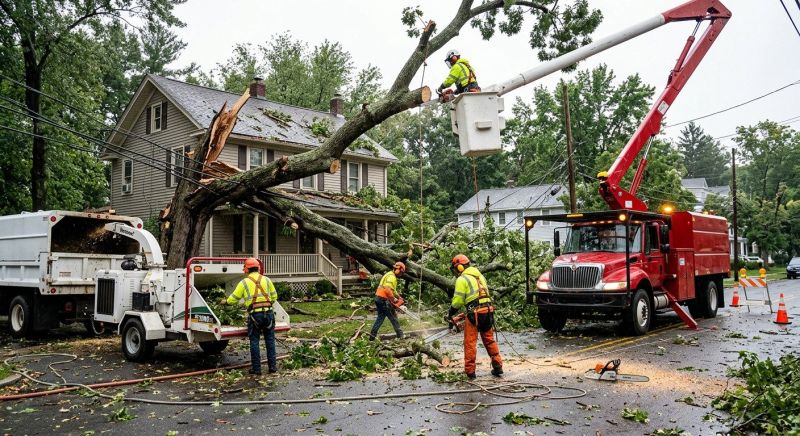
Fallen tree removal services involve the safe and efficient removal of trees that have fallen, been damaged, or pose a risk to a property. These projects typically include clearing debris from yards, driveways, or public spaces, as well as removing partially fallen or unstable trees that could cause further damage or injury. Homeowners often seek this service after storms, high winds, or other events that cause trees to topple, ensuring their property remains safe and accessible.
Before requesting fallen tree removal, property owners should consider the size and location of the affected trees, as well as any potential hazards such as power lines or structures nearby. It is also helpful to understand the extent of debris cleanup needed and whether additional services, like stump grinding or yard restoration, might be required afterward. Clear information about the site conditions can help ensure the removal process proceeds smoothly and safely.
Many property owners in Allentown, PA look into Fallen Tree Removal for repairs, replacements, upgrades, and appearance-related improvements.
Reasons For Fallen Tree Removal
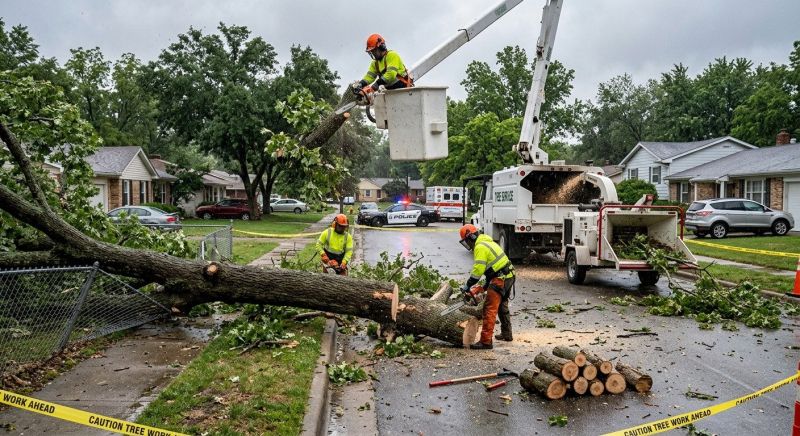
Trees may need removal due to storm damage, disease, or safety concerns on residential properties.
Benefits Of Professional Tree Removal
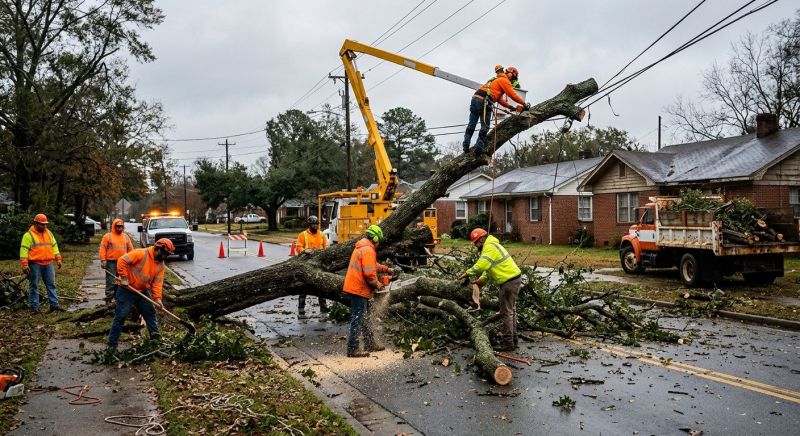
Expert removal helps prevent property damage and ensures safety for homes and nearby structures.
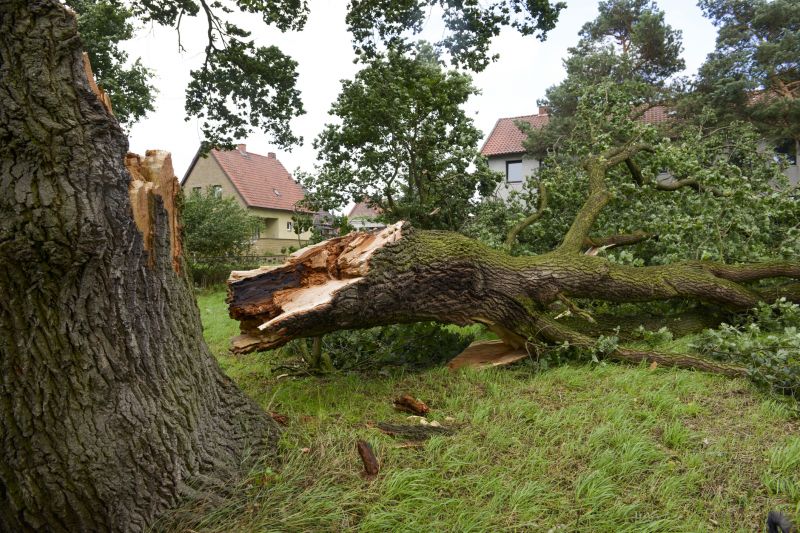
What To Expect During Removal
The process involves careful planning to safely remove the tree and clear the area effectively.
Fallen Tree Removal in Allentown, PA

Fallen tree removal services involve the safe and efficient removal of trees that have fallen, been damaged, or pose a risk to a property. These projects typically include clearing debris from yards, driveways, or public spaces, as well as removing partially fallen or unstable trees that could cause further damage or injury. Homeowners often seek this service after storms, high winds, or other events that cause trees to topple, ensuring their property remains safe and accessible.
Before requesting fallen tree removal, property owners should consider the size and location of the affected trees, as well as any potential hazards such as power lines or structures nearby. It is also helpful to understand the extent of debris cleanup needed and whether additional services, like stump grinding or yard restoration, might be required afterward. Clear information about the site conditions can help ensure the removal process proceeds smoothly and safely.
Many property owners in Allentown, PA look into Fallen Tree Removal for repairs, replacements, upgrades, and appearance-related improvements.
Common Fallen Tree Removal Jobs
Emergency tree removal - performed when fallen or hazardous trees pose immediate safety risks.
Selective tree removal - involves removing specific trees to improve landscape health or view.
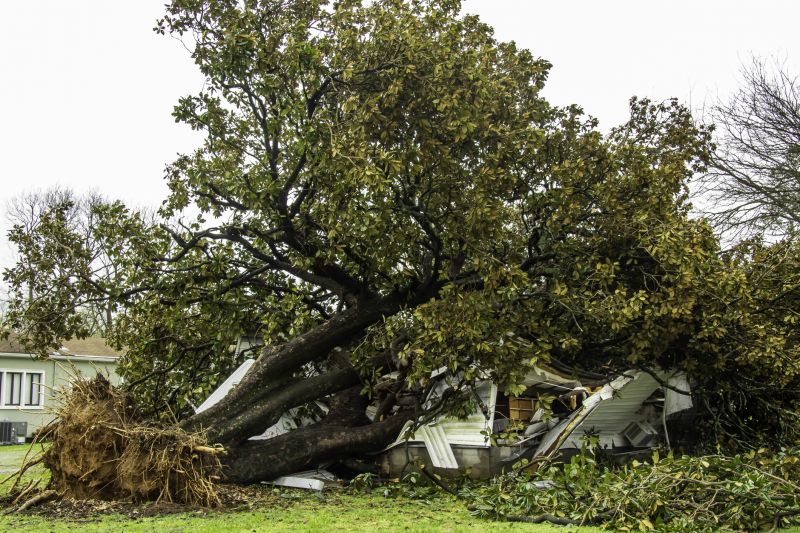
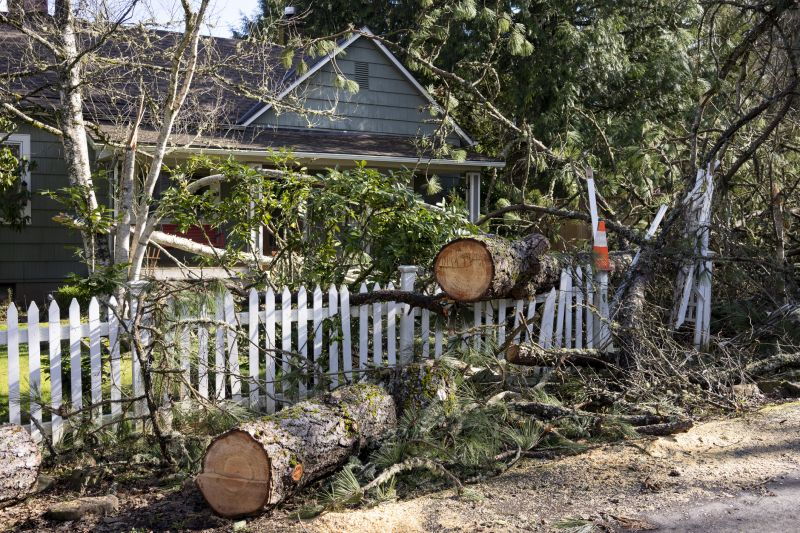
Storm-damaged tree removal - clears trees broken or uprooted by severe weather events.
Uprooted tree removal - involves extracting trees that have fallen or shifted from their roots.
Dead tree removal - safely removes trees that are no longer healthy or pose a risk.
Stump removal - eliminates tree stumps to improve yard safety and aesthetics.
Fallen Tree Removal Questions
What are common reasons to remove a fallen tree? Trees may be removed after storms, if they pose safety risks, or when they obstruct property improvements.
Is it necessary to remove a fallen tree from my yard? Yes, removing a fallen tree helps prevent damage to landscaping, structures, and reduces safety hazards.
What should property owners consider before fallen tree removal? Consider the size, location, and potential hazards associated with the fallen tree to determine the best removal approach.
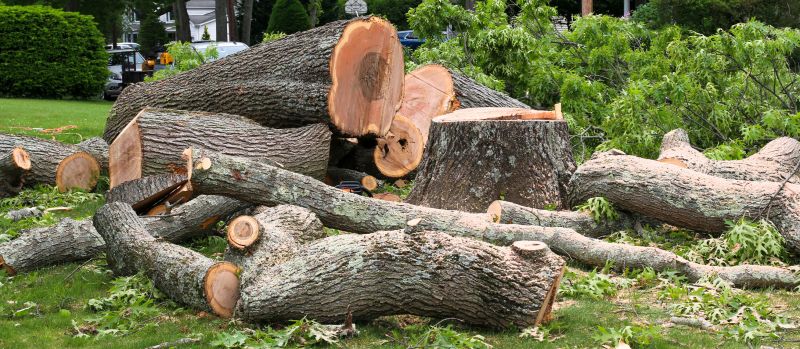
Does fallen tree removal require special equipment? Yes, equipment like cranes, chainsaws, and trucks are typically used to safely remove large or heavy trees.
Request Fallen Tree Removal in Allentown, PA
Use the quote form on this page to share the basics of your project and request more information for the type of work you need.