Thicket Clearing in Atlanta, GA
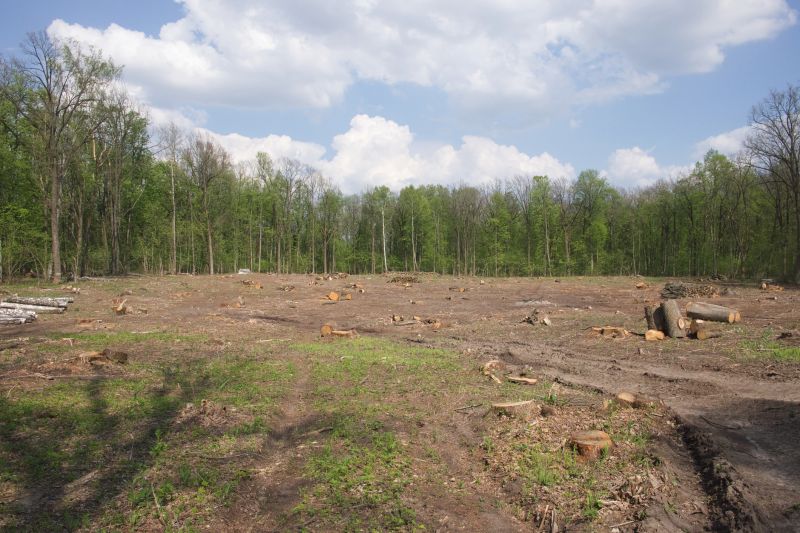
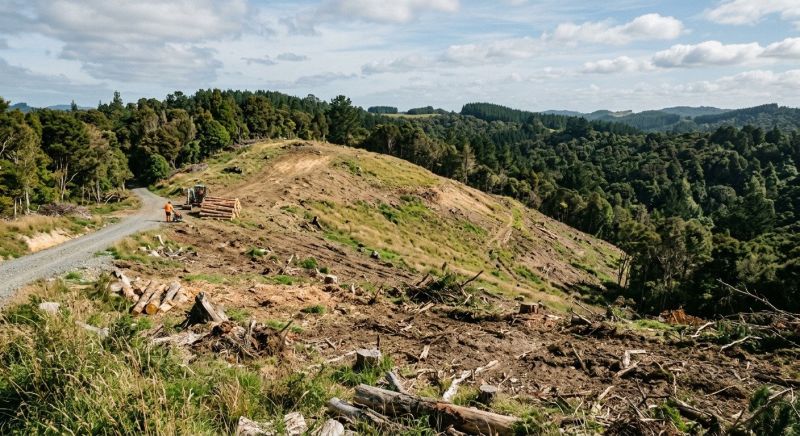
Thicket clearing services involve the removal of dense, overgrown vegetation, including brush, shrubs, small trees, and invasive plants, to improve the usability and appearance of a property. This service is often requested for projects such as creating open spaces for lawns, gardens, or recreational areas, as well as preparing land for construction or landscaping. Property owners typically want to understand the extent of clearing needed, the types of vegetation involved, and how the work might impact the surrounding environment or existing structures before requesting assistance.
Before requesting thicket clearing, homeowners should consider the size and density of the area to be cleared, as well as any local regulations or restrictions related to vegetation removal. It’s also helpful to identify whether there are any protected or hazardous plants, and to understand the desired outcome for the property after clearing. Having a clear idea of these factors can ensure the project aligns with goals for safety, aesthetics, and land use.
Many property owners in Atlanta, GA look into Thicket Clearing for repairs, replacements, upgrades, and appearance-related improvements.
Thicket Clearing For Property Expansion
Removing dense brush to prepare land for new construction or landscaping projects.
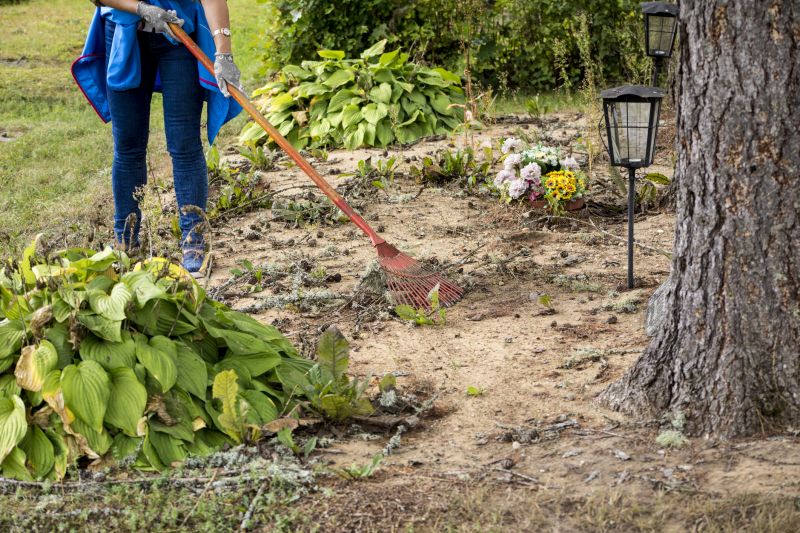
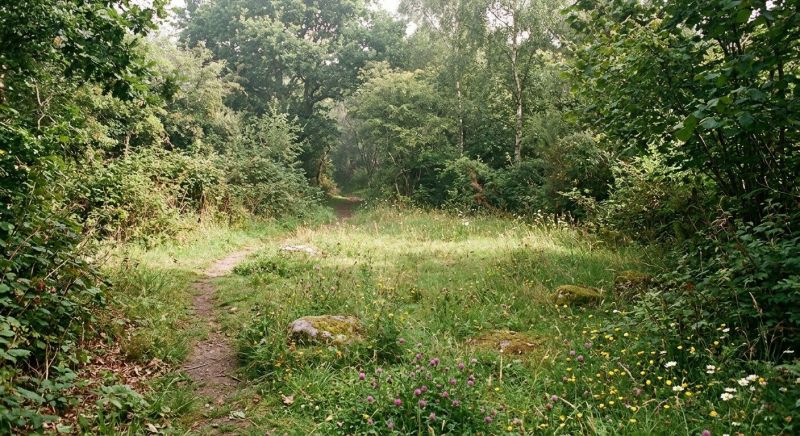
Maintaining Clear And Safe Outdoor Spaces
Clearing overgrown areas to improve accessibility and safety around homes and yards.
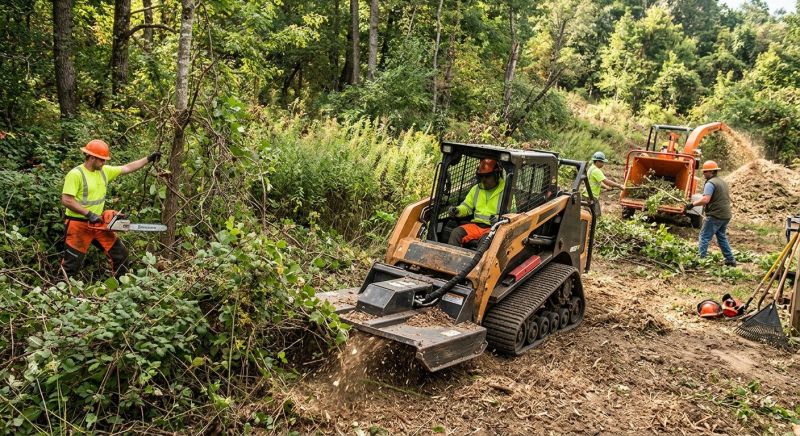
Preparing Land For Landscaping Or Gardening
Thoroughly clearing thick underbrush to create a clean foundation for planting and design.
Thicket Clearing in Atlanta, GA

Thicket clearing services involve the removal of dense, overgrown vegetation, including brush, shrubs, small trees, and invasive plants, to improve the usability and appearance of a property. This service is often requested for projects such as creating open spaces for lawns, gardens, or recreational areas, as well as preparing land for construction or landscaping. Property owners typically want to understand the extent of clearing needed, the types of vegetation involved, and how the work might impact the surrounding environment or existing structures before requesting assistance.
Before requesting thicket clearing, homeowners should consider the size and density of the area to be cleared, as well as any local regulations or restrictions related to vegetation removal. It’s also helpful to identify whether there are any protected or hazardous plants, and to understand the desired outcome for the property after clearing. Having a clear idea of these factors can ensure the project aligns with goals for safety, aesthetics, and land use.
Many property owners in Atlanta, GA look into Thicket Clearing for repairs, replacements, upgrades, and appearance-related improvements.
Common Thicket Clearing Jobs
Thicket clearing involves removing dense brush and overgrown vegetation to improve property visibility and access.
Land clearing helps prepare sites for construction, landscaping, or new lawn installation.
Brush removal eliminates unwanted undergrowth to reduce fire hazards and pest habitats.
Overgrowth management restores natural beauty and maintains a safe, accessible yard.
Vegetation thinning improves air circulation and sunlight penetration for healthier landscaping.
Property cleanup clears away debris and unwanted plants to enhance curb appeal.
Thicket Clearing Questions
What is thicket clearing? Thicket clearing involves removing dense brush and undergrowth to improve property accessibility and appearance.
When is thicket clearing needed? It is typically needed when overgrown areas hinder property use, safety, or aesthetics.
What types of projects require thicket clearing? Projects include preparing land for construction, landscaping, or creating open spaces on a property.
What should property owners consider before clearing a thicket? Consider the extent of overgrowth and any local regulations regarding land management before starting.
Request Thicket Clearing in Atlanta, GA
Use the quote form on this page to share the basics of your project and request more information for the type of work you need.